

The Timeless Art of Charcoal Cooking: Tradition, Innovation, and Global Appeal

Charcoal cooking is one of humanity’s oldest culinary traditions, yet it remains as relevant today as it was centuries ago. The allure of glowing embers, smoky aromas, and sizzling meat transcends cultures and generations. Unlike gas or electric grills, charcoal cooking connects us to something primal and very human—fire, patience, and craftsmanship.
The tradition is most famously embodied in the parrilla argentina and barbecue asado, where meat is cooked slowly over embers and shared with family and friends. In Argentina, the barbecue argentino is more than a meal; it is a cultural ritual that celebrates community and heritage. The act of gathering around the fire, waiting for the embers to reach the perfect glow, and savoring each cut of meat is as much about fellowship as it is about flavor.
Modern innovations have expanded the possibilities of charcoal cooking. Designs like the drop in charcoal bbq, inbuilt charcoal bbq, and bbq with wheels make it easier than ever to enjoy authentic flavor while adapting to contemporary lifestyles. These innovations allow cooks to blend tradition with convenience, ensuring that the smoky essence of charcoal remains accessible whether you live in a rural village or a bustling city.
The appeal of charcoal cooking lies not only in its taste but also in its ritual. Lighting the fire, tending the coals, and waiting for the perfect moment to place the meat on the grill requires patience and skill. Unlike quick gas grilling, charcoal demands attention, rewarding cooks with flavors that are deep, smoky, and unforgettable.
Charcoal cooking also carries symbolic weight. It represents resilience, a willingness to wait, and an appreciation for process. In many cultures, tending the fire is a communal act, one that brings people together in anticipation of a shared meal. The glow of embers becomes a metaphor for warmth, hospitality, and continuity across generations.
This blog explores the journey of charcoal cooking—from its Argentinian roots to modern engineering marvels. Along the way, we’ll highlight the cultural significance of the parrilla argentina, the innovations behind outdoor charcoal barbecue grills, and the enduring appeal of massive charcoal bbq setups. By the end, you’ll see why charcoal cooking continues to unite tradition and innovation in every glowing ember.
To set the stage, we begin with Argentina’s culinary heritage, where the parrilla argentina and barbecue asado embody the essence of fire, flavor, and fellowship. From there, we will move into modern barbecue engineering, examining how drop in charcoal bbq systems and inbuilt charcoal bbq designs blend tradition with innovation. Finally, we will explore the spectacle of massive charcoal bbq gatherings and the global perspectives that prove charcoal cooking is a universal language of hospitality.
Charcoal Traditions: Argentina’s Culinary Heritage

What makes the parilla argentina special is the care taken when cooking with charcoal.
Argentina is the beating heart of charcoal cooking. The parrilla argentina and barbecue asado are national treasures, embodying values of patience, generosity, and community. Gauchos, the Argentine traditional cattle herders, perfected the art of grilling over embers, using hardwood charcoal to cook beef, lamb, and sausages with nothing more than salt and fire. Their techniques were passed down through generations, shaping a national identity rooted in simplicity and flavor.
The barbecue argentino is more than food—it is a ritual. Families gather around the parrilla, lighting fires hours before guests arrive. The slow cooking process encourages conversation, music, and storytelling. Cuts of beef ribs, chorizo, and morcilla are served in stages, ensuring the meal stretches across the afternoon. Each bite is savored, not rushed, and the rhythm of the meal mirrors the rhythm of community life.
Charcoal plays a central role in this tradition. Unlike gas flames, cooking with embers imparts a distinct smoky flavor that defines Argentinian cuisine. Hardwood burns slowly, allowing meat to cook evenly while absorbing rich aromas. This authenticity is why the parrilla argentina remains a symbol of national pride. The flavor is inseparable from the fire, and the fire is inseparable from the culture.
Even in modern cities, the parrilla is a fixture. Restaurants in Buenos Aires showcase massive outdoor charcoal barbecue grills, serving asados to locals and tourists alike. The ritual has spread globally, inspiring chefs in Europe, North America, and Australia to adopt the gaucho style. Yet despite its international reach, the essence remains unchanged: fire, smoke, and community.
The cultural significance of the barbecue argentino lies in its ability to unite people. It is not simply about eating but about sharing time, stories, and traditions. The parrilla is a stage where food and fellowship meet, and where the smoky aroma becomes a symbol of identity. In Argentina, to invite someone to an asado is to extend friendship, hospitality, and trust.
Charcoal cooking also reflects resilience. Gauchos often lived in harsh conditions, relying on fire as both warmth and sustenance. Their mastery of embers was not only culinary but practical, a way of surviving and thriving in the pampas. Today, that resilience is celebrated in every barbecue argentino, reminding Argentinians of their roots and their enduring spirit.
The parrilla argentina has also become a cultural export. International festivals often feature Argentinian chefs demonstrating the art of asado, showcasing techniques like slow roasting whole lambs or carefully managing embers for hours. These demonstrations highlight the patience and skill required, proving that charcoal cooking is as much craft as cuisine.
Ultimately, Argentina’s charcoal traditions embody values of authenticity, patience, and community. They remind us that food is not only nourishment but also connection. The parrilla argentina and barbecue asado are living symbols of heritage, ensuring that the glow of embers continues to unite families, friends, and cultures across the world.
Modern BBQ Engineering
While tradition anchors charcoal cooking, innovation has propelled it into the modern age. Today’s enthusiasts have access to a wide range of designs, from drop in charcoal bbq systems to inbuilt charcoal bbq setups that blend seamlessly into outdoor kitchens. These innovations preserve authenticity while embracing convenience, ensuring that the smoky essence of charcoal remains central to the experience.

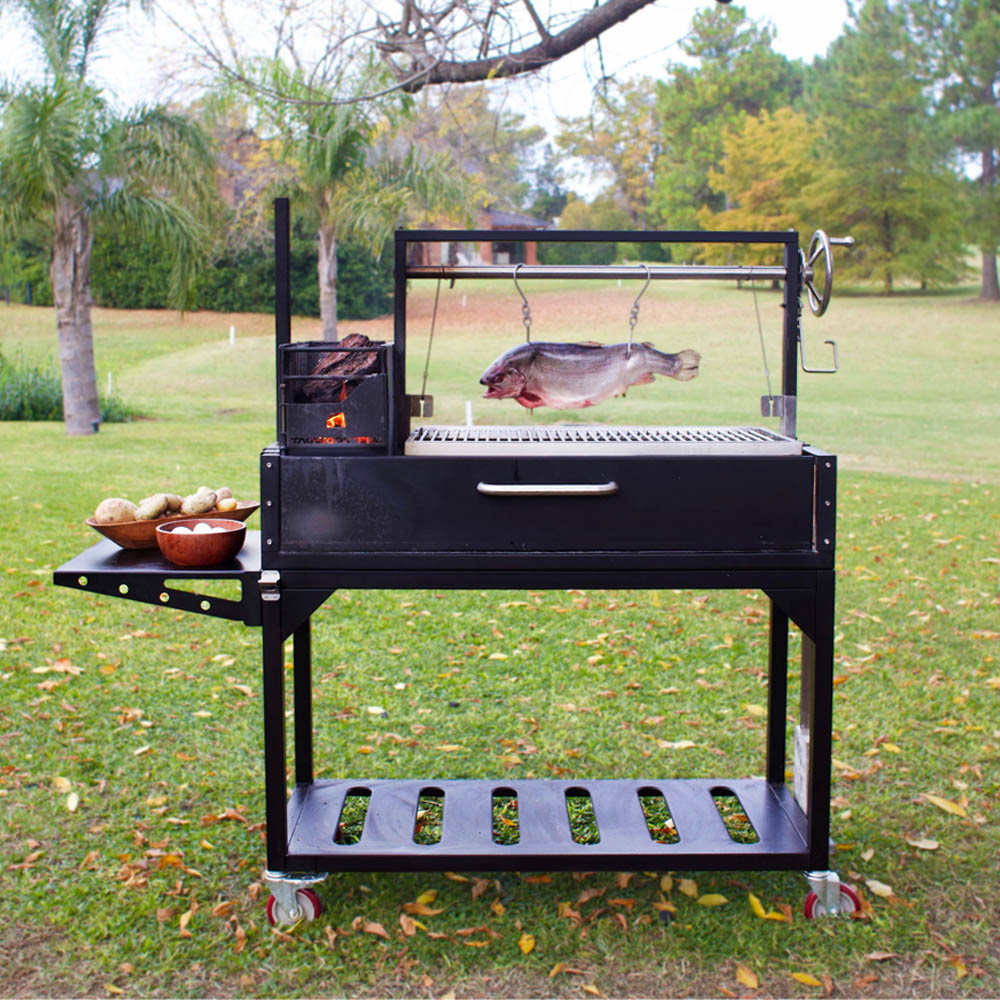
The bbq with wheels is one such adaptation, offering portability for urban dwellers and outdoor adventurers. Compact yet powerful, it allows for authentic charcoal flavor without requiring a permanent setup. Similarly, drop in charcoal bbq systems make it easy to integrate charcoal cooking into custom outdoor kitchens, combining rustic flavor with modern design.
Construction has evolved too. Inbuilt charcoal bbq designs offer permanence and sophistication, integrating seamlessly with countertops and storage. These setups often feature hybrid fuel systems, allowing cooks to experiment with both charcoal and wood. Stainless steel, cast iron, and heat‑resistant ceramics are now common materials, chosen for durability and performance.
Despite these innovations, the essence of charcoal cooking remains unchanged. Whether you’re using a portable grill or a built‑in system, glowing embers still deliver the smoky flavor that defines the experience. Modern engineering has not replaced tradition—it has enhanced it, ensuring that charcoal cooking thrives in contemporary lifestyles.
The balance between tradition and technology is what makes modern barbecue engineering so compelling. It allows cooks to honor heritage while embracing convenience, ensuring that the smoky essence of charcoal remains central to the experience.
Designers have also focused on airflow systems. Adjustable vents, chimney starters, and precision dampers give cooks greater control over temperature. This engineering detail is crucial because charcoal cooking depends on managing heat over time. By fine‑tuning airflow, modern grills allow both slow smoking and high‑heat searing, expanding the range of dishes that can be prepared.
Safety has improved as well. Heat‑resistant handles, insulated lids, and ash‑catching trays reduce risks while making cleanup easier. These features encourage more people to embrace charcoal cooking without fear of burns or mess. Convenience does not diminish authenticity; instead, it makes the tradition more accessible.
Innovation has also embraced sustainability. Many modern charcoal grills are designed to use less fuel, maximizing efficiency while minimizing waste. Some models incorporate renewable materials or encourage the use of eco‑friendly briquettes. This reflects a growing awareness that tradition must adapt to environmental concerns.
Ultimately, modern barbecue engineering demonstrates that charcoal cooking is not stuck in the past. It is a living tradition, constantly evolving to meet the needs of contemporary cooks. Whether through drop in charcoal bbq systems, inbuilt charcoal bbq designs, or portable bbq with wheels, the essence remains the same: fire, flavor, and fellowship.
Scale and Spectacle

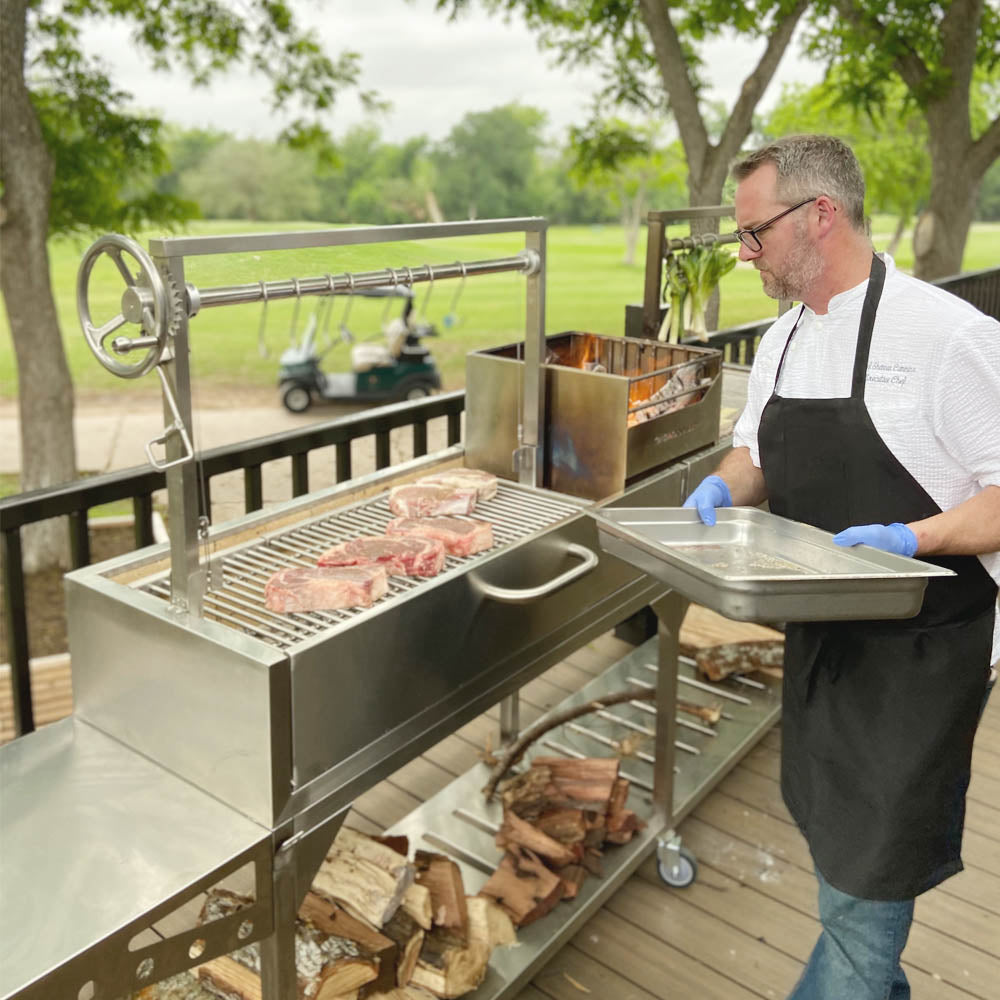
The massive BEAST Tagwood BBQ 02SI is an exemplar in bringing a grand show to your next outing.
Charcoal cooking is not only about flavor—it is about spectacle. Enthusiasts around the world seek the massive charcoal bbq, experiment with oversized parrillas, and invest in outdoor charcoal barbecue grills that can feed entire communities. The fascination with scale reflects the communal nature of barbecue, where bigger often means better, and where the fire itself becomes a stage for celebration.
In Argentina, festivals often feature enormous parrillas capable of cooking hundreds of kilos of meat at once. These massive charcoal bbq setups are cultural symbols, showcasing abundance and generosity. The sight of ribs, sausages, and vegetables sizzling over glowing embers is a celebration in itself. The smoke rising from such grills becomes a beacon, drawing people together from across neighborhoods and towns.
Globally, the trend has caught on. Outdoor events in Australia and the United States often feature outdoor charcoal barbecue grills designed for gatherings. These grills emphasize durability, efficiency, and spectacle, proving that charcoal cooking is as much about experience as it is about taste. In Europe, food festivals highlight giant charcoal pits where chefs prepare whole animals, turning cooking into performance art.
The appeal of scale lies in its ability to unite people. A massive charcoal bbq becomes the centerpiece of festivals, weddings, and community events. It embodies values of hospitality and celebration, reminding us that food is best enjoyed together. The larger the grill, the greater the sense of shared abundance, and the more memorable the occasion becomes.
Spectacle also inspires innovation. Engineers and artisans design custom grills that balance size with efficiency, ensuring that even massive setups can be managed safely. These creations often become landmarks in their own right, admired not only for their functionality but also for their artistry.
Ultimately, scale and spectacle remind us that charcoal cooking is more than sustenance. It is theater, ritual, and community rolled into one. Whether through a massive charcoal bbq or a carefully tended outdoor charcoal barbecue grill, the glow of embers continues to symbolize generosity, unity, and joy.
Global Perspectives
Charcoal cooking is not confined to Argentina—it is a global phenomenon that has adapted to countless cultures and traditions. The outdoor charcoal bbq grill has become a staple in backyards worldwide. In Europe, families gather around coal‑fueled setups during summer evenings, preparing sausages, vegetables, and seafood. In Asia, charcoal stoves are popular for street food vendors, where skewers of meat or fish are grilled quickly over intense heat. Africa also has deep traditions, with braais in South Africa and suya stands in Nigeria showcasing how charcoal cooking unites flavor and fellowship.
Comparisons between the aussie made bbq and the parrilla argentina highlight the diversity of charcoal cooking. While Argentina emphasizes tradition and ritual, Australia focuses on innovation and portability. Europe blends charcoal cooking with seasonal gatherings, while Asia and Africa highlight its role in everyday street food culture. Yet across all these regions, the essence remains the same: fire, smoke, and community.
Global festivals further demonstrate charcoal’s universal appeal. In Japan, yakitori stalls line streets with glowing coals, while in Turkey, kebabs are grilled over charcoal pits. In Brazil, churrasco traditions mirror Argentina’s asado, emphasizing abundance and hospitality. These examples prove that charcoal cooking is not limited to one nation but is instead a shared language of flavor.
Ultimately, charcoal cooking is a global tradition that transcends borders. Whether you’re in Buenos Aires, Sydney, London, Lagos, or Tokyo, the glow of embers and the aroma of smoke evoke the same values of hospitality and celebration. It is a practice that adapts to local ingredients and customs while maintaining its universal essence. Charcoal cooking reminds us that food is not only nourishment but also connection, and that the fire we share is a symbol of unity across cultures.
Charcoal Cooking Brings People Together
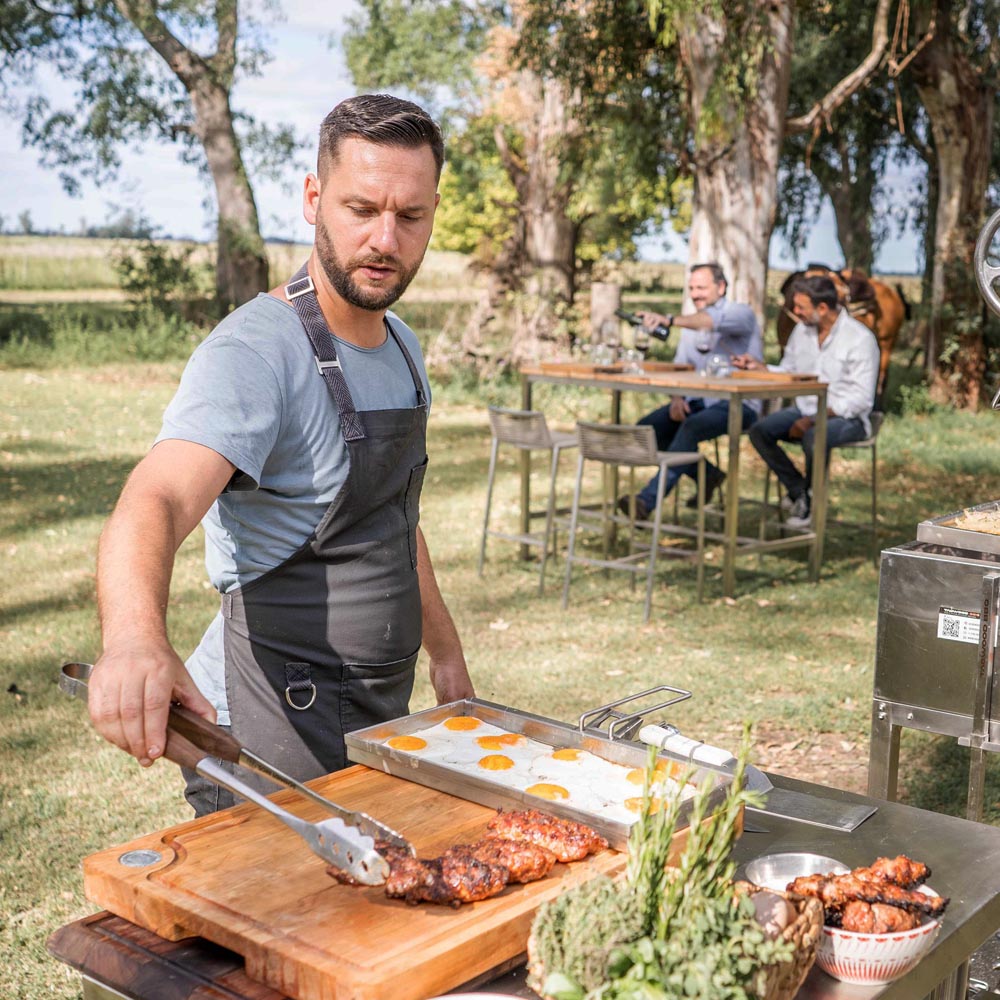
 Charcoal cooking isn’t just a method, its a way to build relationships.
Charcoal cooking is more than a method—it is a tradition that unites cultures across the world. From the parrilla argentina and barbecue asado to the aussie made bbq and outdoor charcoal barbecue grill, the flame continues to burn brightly in kitchens and communities.
The journey from gaucho camps to modern outdoor kitchens reflects both resilience and innovation. Whether you’re using a drop in charcoal bbq, an inbuilt charcoal bbq, or a massive charcoal bbq, the principle remains unchanged: patience, smoke, and community.
Leave a comment