

The Gaucho Grill: Tradition, Fire, and Flavor

Few cooking traditions capture the spirit of a culture as vividly as the gaucho grill. Rooted in the open plains of Argentina and Uruguay, this iconic style of cooking embodies freedom, community, and the primal connection between fire and food. For centuries, gauchos—South America’s legendary cowhands—gathered around woodfired flames to prepare hearty meals that nourished both body and soul. Their way of cooking was not simply about sustenance; it was a ritual that reflected their values of resilience, camaraderie, and respect for the land.
The gaucho lifestyle was rugged and independent. These horsemen lived on the Pampas, tending cattle and roaming vast landscapes. Their meals had to be practical, hearty, and suited to the resources at hand. Fire was their constant companion, and grilling became not just a way to cook but a cultural expression. The gaucho grill was born out of necessity, yet it evolved into a symbol of identity. Over time, it became a centerpiece of gatherings, a way to bond with fellow riders, and a tradition passed down through generations.
What makes the gaucho grill so enduring is its simplicity and authenticity. Unlike modern cooking methods that rely on gadgets and shortcuts, the gaucho grill emphasizes patience and skill. Meat is seasoned lightly, placed over glowing embers, and cooked slowly to perfection. The result is food that is rich in flavor and steeped in tradition. This approach highlights the natural qualities of the meat and the mastery of fire, creating a culinary experience that is both rustic and refined.
Today, the gaucho grill is more than a cooking method; it is a symbol of heritage, craftsmanship, and culinary artistry. To understand its enduring appeal, we must explore the history of the gaucho style grill, its evolution into the modern parrilla, and its place in contemporary outdoor cooking. By tracing its journey from the Pampas to backyards around the world, we uncover not only a cooking technique but a cultural legacy that continues to inspire.
Origins of the Gaucho Grill
 The history of gaucho style grilling is tied with the rugged lifestyle of these nomadic cattlemen.
The gauchos were nomadic horsemen who roamed the vast Pampas of Argentina and Uruguay during the 18th and 19th centuries. Known for their independence and rugged lifestyle, gauchos lived in close connection with the land and the cattle they tended. Their daily existence revolved around horseback riding, herding, and survival in an environment that demanded resilience. Food preparation was a vital part of this lifestyle, and it had to be practical, nourishing, and suited to the resources available on the open plains.
With limited tools and no permanent kitchens, gauchos relied on fire as their constant companion. They would gather wood from the sparse trees of the Pampas, dig shallow pits, and build glowing embers to cook their meals. Meat—often beef, lamb, or game—was placed on simple iron grates or skewered on sticks and cooked slowly over the flames. This rustic method gave birth to the gaucho grill, a cooking style defined by patience, smoke, and respect for the natural flavors of the meat.
The history of the gaucho style grill is inseparable from gaucho identity. Cooking was communal, and meals were shared among companions after long days of riding. Salt was often the only seasoning, allowing the quality of the meat and the skill of the fire‑tender to shine. The grill was not just a tool; it was a gathering place, a ritual of hospitality, and a celebration of life on the plains.
Stories passed down through generations describe gauchos tending fires late into the night, singing folk songs, and sharing tales while the meat cooked. The act of grilling became a cultural anchor, reinforcing bonds of friendship and community. Over time, this tradition evolved into the foundation of Argentina’s national dish—the asado—but its roots remain firmly planted in the gaucho way of life.
In essence, the origins of the gaucho grill reflect a lifestyle of simplicity and authenticity. It was born out of necessity, but it grew into a symbol of resilience and camaraderie. This foundation set the stage for the parrilla’s evolution into a cultural icon that continues to thrive today.
Evolution of the Parrilla

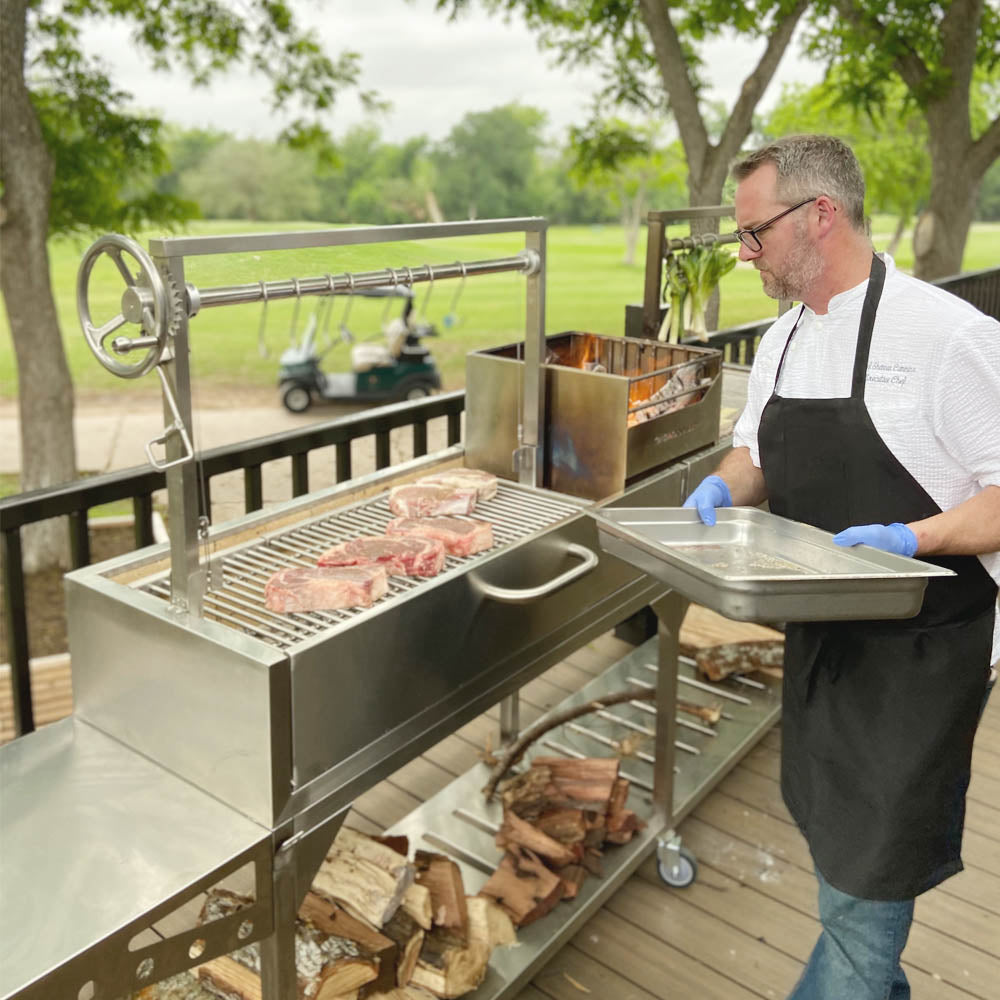
The Tagwood BBQ 06SS allows for greater cooking control with it’s adjustable grates.
As settlements grew and technology advanced across Argentina and Uruguay, the rustic gaucho grill began to transform into something more refined. What started as simple iron grates over open flames evolved into the parrilla, a structured grill that allowed for greater control and consistency. This innovation was revolutionary for gauchos and townsfolk alike, as it meant meat could be cooked more evenly, with adjustable grates that controlled the distance between food and fire. The parrilla quickly became the centerpiece of communal cooking, bridging the gap between necessity and artistry.
The history of the gaucho style grill reflects this transition from survival cooking to cultural ritual. Early parrillas were built from iron and stone, often fixed in place near homes or communal gathering spots. Over time, stainless steel construction added durability and hygiene, making the parrilla a fixture in both rural and urban kitchens. The design allowed cooks to raise or lower the grill surface, ensuring that thick cuts of beef, sausages, or lamb could be cooked slowly without burning. This adaptability mirrored the gaucho’s own resourcefulness, turning a simple tool into a symbol of culinary mastery.
Regional variations also began to emerge. In Argentina, the parrilla became synonymous with the asado, a social barbecue featuring beef ribs, sausages, and short ribs. In Uruguay, lamb and fish were often added to the mix, reflecting local resources. Meanwhile, in Brazil, the churrasco tradition developed, with skewered meats cooked over flames and served in abundance. Each variation carried the essence of the gaucho grill but adapted it to local tastes and customs.

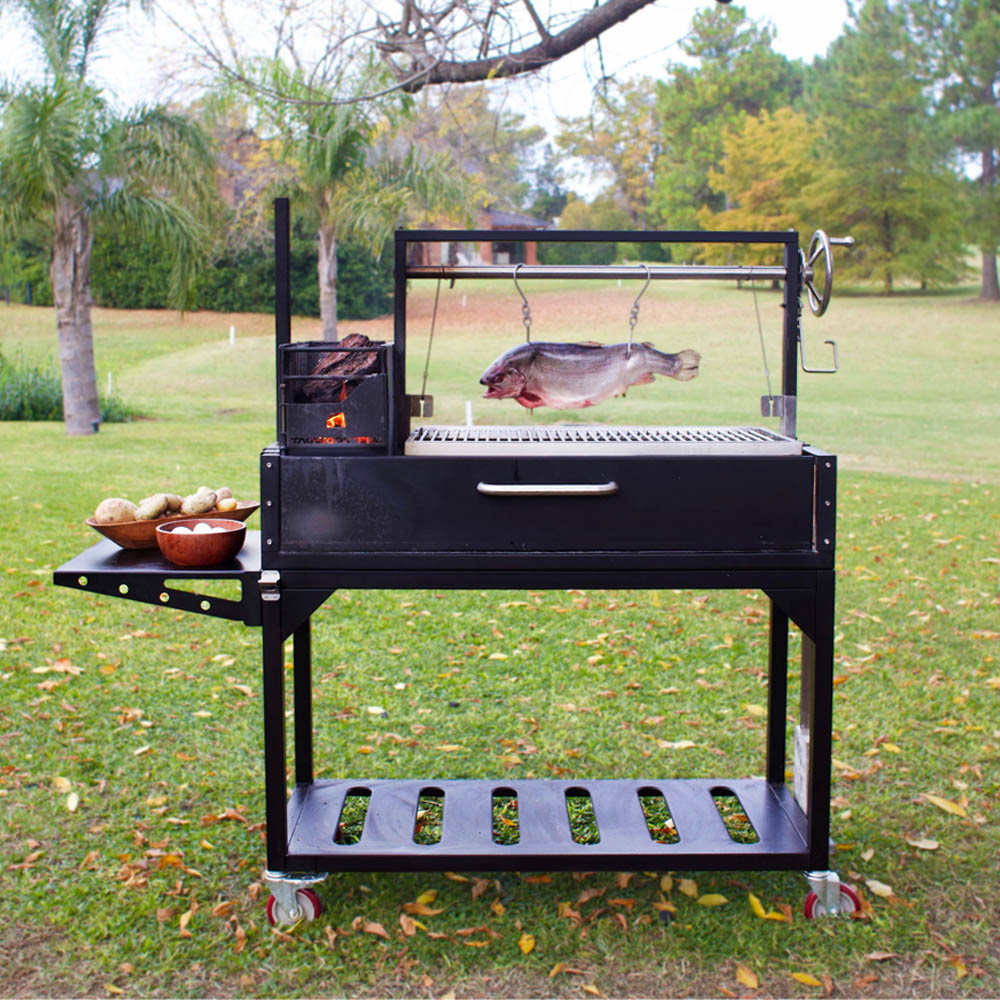
The modern Tagwood BBQ 09SS Woodfired Gaucho Grill blends centuries old tradition with modern engineering.
Modern gaucho grills are marvels of design, blending centuries‑old tradition with contemporary performance. At first glance, they may appear simple—an iron grate over glowing embers—but closer inspection reveals a carefully engineered system that reflects both practicality and artistry. Understanding the anatomy of the gaucho grill helps explain why it remains such a beloved cooking tool across cultures.
One of the defining features is the multiple grilling zones. A well‑built parrilla allows cooks to create areas of varying heat intensity, so sausages can sizzle quickly while thick cuts of beef cook slowly. This versatility ensures that an entire meal can be prepared simultaneously, echoing the communal spirit of gaucho gatherings.
Another hallmark is the adjustable grate system. Gauchos learned early on that controlling the distance between meat and fire was essential. Modern parrillas often include crank mechanisms or sliding rails that let cooks raise or lower the grill surface. This precision allows for delicate control, ensuring that ribs, steaks, or vegetables achieve the perfect balance of char and tenderness.
The clamp grill, or “grill basket,” is another ingenious feature. It secures whole cuts of meat, fish, or even vegetables between two iron frames, making it easy to flip large portions without losing balance. This design reflects the gaucho’s resourcefulness, enabling them to cook efficiently in the open plains.
Fuel choice is equally important. Traditional gaucho grills rely on wood or charcoal, each imparting distinct flavors. Hardwood embers provide a slow, smoky burn, while charcoal offers consistent heat. Many modern parrillas are designed to accommodate both, giving cooks flexibility while preserving authenticity.
Materials have also evolved. While early grills were forged from iron, today’s versions often use stainless steel, which resists rust, cleans easily, and withstands high heat. Yet despite these modern upgrades, the essence of the gaucho grill remains unchanged: fire, smoke, and community.
Ultimately, the anatomy of the gaucho grill reflects a philosophy of adaptability. It is not just a cooking device but a cultural artifact, designed to bring people together around the fire. Every feature—from adjustable grates to clamp baskets—serves the same purpose: to honor tradition while delivering unforgettable flavor.
Cultural Significance
Beyond its mechanics, the gaucho grill carries profound cultural meaning. In Argentina, the asado—a social barbecue—is far more than a meal; it is a cherished tradition that embodies hospitality, family, and national pride. The grill becomes the centerpiece of gatherings, where friends and relatives spend entire afternoons sharing food, conversation, and laughter. The ritual of preparing and serving meat is as important as the flavors themselves, and the parrilla is the stage on which this cultural drama unfolds.
The history of the gaucho style grill underscores its role as a cultural anchor. Gauchos used the grill not only to feed themselves but also to build community. That spirit lives on today in the way Argentinians and Uruguayans approach the asado. The fire is lit hours before guests arrive, and the slow cooking process encourages patience and togetherness. Sausages, ribs, and vegetables are served in stages, ensuring that the meal stretches across the afternoon. The grill thus becomes a symbol of abundance and generosity, reflecting values deeply rooted in gaucho heritage.
Music, storytelling, and tradition often accompany the asado. Folk songs may be sung, and tales of gaucho life retold, reinforcing the connection between past and present. The gaucho grill is not just a cooking device; it is a cultural artifact that binds generations. Even in urban settings, the parrilla remains a fixture, reminding people of their rural roots and the enduring importance of community.
National holidays and festivals frequently feature the gaucho grill, further cementing its place in cultural identity. In Argentina, Independence Day celebrations often include massive asados, where entire neighborhoods gather to share food prepared over parrillas. The grill is a symbol of unity, a reminder that despite modern changes, the essence of gaucho tradition continues to thrive.
Ultimately, the cultural significance of the gaucho grill lies in its ability to bring people together. It represents more than fire and meat—it embodies values of patience, generosity, and shared heritage. Each flame lit and each cut of meat cooked is a tribute to the gauchos who first forged this tradition, ensuring that their legacy endures in every gathering around the parrilla.
The Gaucho Grill Today
The Tagwood BBQ 28SS is one the gaucho grills at the forefront of the modern day asado.
In modern times, the gaucho grill has transcended its rustic origins and become a global culinary phenomenon. What was once a tool of survival for nomadic horsemen is now celebrated in restaurants, backyards, and culinary schools across the world.
The appeal lies in the grill’s ability to deliver both tradition and performance. Unlike gas or electric alternatives, the gaucho grill emphasizes patience, craftsmanship, and the elemental connection between fire and food. For many, cooking on a parrilla is not just about taste—it is about participating in a ritual that honors centuries of heritage.
Restaurants worldwide now feature gaucho‑style cooking as a centerpiece of their menus. In Buenos Aires, parrillas line the streets, offering everything from casual asados to fine dining experiences. In cities like New York, London, and Sydney, chefs showcase the gaucho grill as a way to introduce diners to authentic South American flavors. Backyard enthusiasts, too, have embraced the parrilla, finding joy in the slow, communal process of cooking outdoors.
Ultimately, the gaucho grill today represents a bridge between past and present. It honors the resilience of the gauchos while adapting to modern needs. Whether used in a rural village or a cosmopolitan restaurant, the parrilla continues to embody values of patience, generosity, and shared experience. Its flames burn as brightly now as they did centuries ago, ensuring that the gaucho tradition remains alive in kitchens and communities around the world.
Past, Present and Future
The story of the gaucho grill is one of resilience, tradition, and flavor. From the windswept Pampas to modern backyards, it embodies the spirit of the gaucho—free, communal, and deeply connected to the land. The history of the gaucho style grill reminds us that cooking is more than sustenance; it is culture, heritage, and celebration.
What began as a necessity for nomadic horsemen has become a global culinary tradition. The gaucho grill represents the ingenuity of people who learned to harness fire in its purest form, transforming simple cuts of meat into meals that nourished both body and soul. Over centuries, this practice evolved into the parrilla, a structured grill that became the centerpiece of Argentina’s national dish, the asado. Yet despite modern innovations, the essence remains unchanged: patience, smoke, and community.
Today, when you fire up a gaucho grill, you are not just preparing food—you are participating in a centuries‑old ritual. Each flame lit and each cut of meat cooked is a tribute to the gauchos who first forged this tradition. The grill is a bridge between past and present, a living artifact that continues to unite families, friends, and communities. Whether in a rural village or a cosmopolitan city, the parrilla embodies values of generosity, hospitality, and shared experience.
Looking ahead, the gaucho grill’s legacy is secure. As sustainability and authenticity become increasingly important in global cuisine, the parrilla offers both. It honors tradition while adapting to modern needs, ensuring that the gaucho spirit endures in kitchens and gatherings around the world.

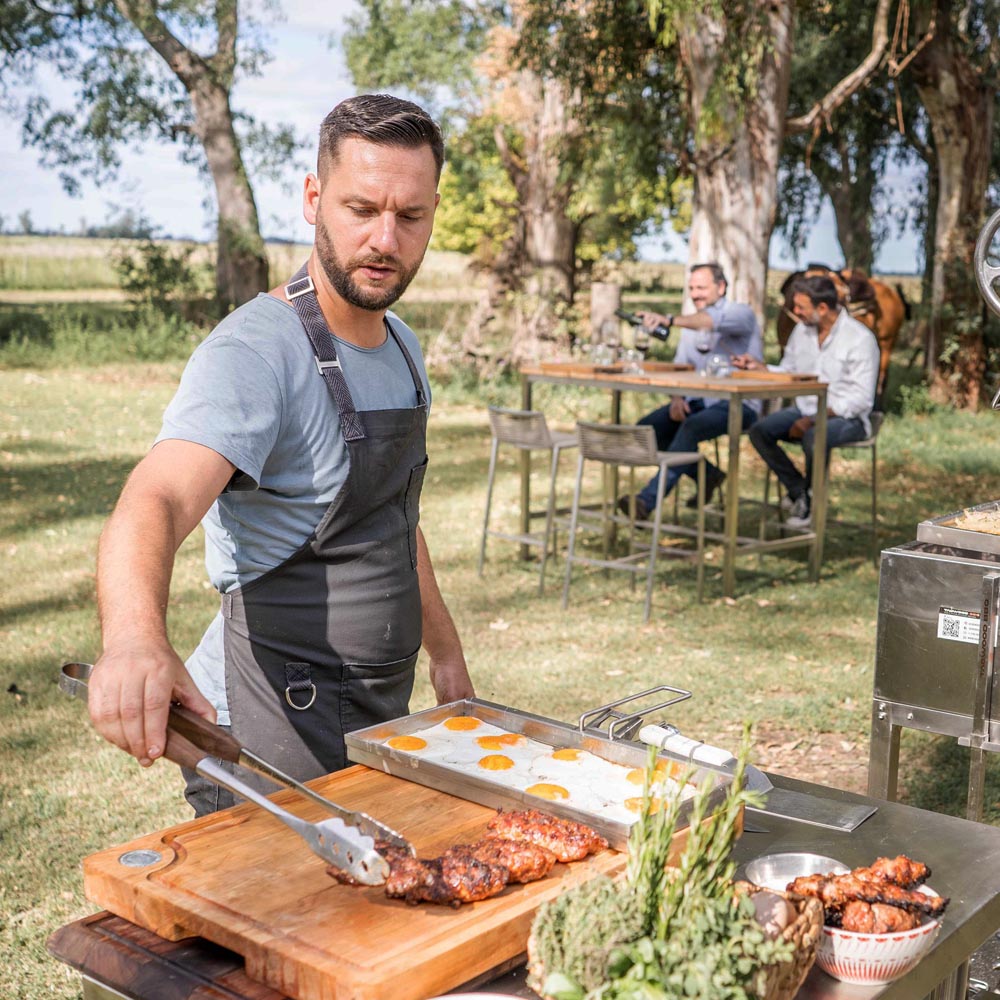
The Tagwood BBQ 03SS bringing gaucho style grilling to your next gathering.
Ultimately, the gaucho grill is more than a cooking device—it is a cultural symbol, a flame that continues to burn brightly across generations. Its story is a reminder that the simplest tools, when paired with patience and community, can create traditions that last forever.
Leave a comment