

Barbecue with Coal: The Complete Guide to Wood, Smoke, and Charcoal Grilling

Coal barbecuing is more than cooking — it’s a statement of tradition and skill. For many Australians, mastering the fire is part of our identity. It’s about proving you can control the elements, coax flavor from smoke, and deliver meat cooked to perfection. The smell of coal drifting through the neighborhood is a signal: someone’s doing it properly tonight. Guests gather, beers in hand, knowing the barbecue is the centerpiece of the evening.
There’s also a generational pride in coal barbeque. Fathers teach sons how to stack briquettes, uncles pass down tricks for managing airflow, and mates swap stories about the best cuts for a charcoal barbeque. Unlike gas, which is about convenience, coal cooking is about patience and respect for the process. It’s slower, but that’s the point — deliberate, rewarding, and deeply satisfying.
Coal barbecuing also ties into the Australian love of the outdoors. Whether it’s a backyard charcoal grill bbq, a bbq coal grill at the beach, or a wood fire bbq in the bush, the ritual connects people to nature. It’s about fire, smoke, and mateship — the essence of Australian barbecue culture.
The Tradition of Coal and Charcoal Barbecuing
Coal barbeque has always been about more than just cooking meat — it’s about ritual, patience, and pride. Unlike gas or electric grills, which focus on convenience, a charcoal barbeque demands attention and skill. You don’t simply flick a switch; you build a fire, nurture it, and control it. That process is what makes the food taste richer and the experience more rewarding.
The sensory connection is part of the appeal. You hear the crackle of briquettes, see the glow of embers, and feel the radiant heat as you stand over the grill. The smell of smoke drifting across the yard signals that something special is happening. A charcoal grill bbq or bbq coal grill isn’t just a tool — it’s a centerpiece for gatherings, where the tradition comes alive.
Coal cooking is about patience. You can’t rush the fire; you respect it, and in return it rewards you with flavor that gas simply can’t replicate. Many talk about the satisfaction of tending the fire, adjusting vents, and watching raw meat transform into perfectly charred steaks or slow‑smoked brisket. It’s less about speed and more about craft.
Even in modern Australia, where convenience often wins, the coal barbeque remains a symbol of authenticity. Whether it’s a bbq stove charcoal setup on a camping trip or a large grill charcoal rig in the backyard, coal cooking connects people - a reminder that the best meals aren’t rushed — they’re earned.
The Sunday Session: Building Community Around the Pit

The "Sunday Session." It isn't just about feeding people; it's about reclaiming time in a fast-paced world. When you light up a wood fire bbq, you are signaling to your friends and family that the afternoon is spoken for. There is no rushing a barbecue with coal. This environment fosters a specific type of Australian get-together. Stand around your charcoal grill bbq tong-in-hand and discuss everything from the footy scores to life’s heavier burdens.
The fire acts as a focal point, a neutral ground where conversation flows as easily as the cold drinks or wine. It’s a shared experience of watching the grill coal turn to white ash, knowing that the wait will be worth it. Its what keeps the charcoal barbecues alive in suburbs from Perth to Sydney. Whether you’re showing off a new outdoor charcoal bbq grill or sticking with a rusted-but-reliable kettle, its all the same. Your fire is the heartbeat of your backyard, and you tending it is the conductor of the afternoon's energy.
Wood and Smoke: Flavor Foundations
Wood and smoke are the foundations of flavor in a barbecue with coal. A wood fire bbq adds different flavors as smoking woods bring unique profiles, and choosing the right one is what separates a good cook from a great pitmaster.
Australia has native woods that are prized for their qualities. Red gum delivers a strong, earthy smoke that pairs beautifully with beef. Ironbark smoking wood is valued for its long burn and bold taste, making it a favorite for brisket and lamb. Mallee root, another local option, burns hot and clean, ideal for quick searing. These woods are part of the Australian barbecue identity, just as mesquite defines Texan cooking.
Pairing wood with meat is an art. Beef thrives with ironbark or hickory, lamb benefits from fruit woods like apple or peach, and chicken takes on subtle flavors from cherry wood smoking or oak. Pork pairs well with sweet woods such as apple or cherry, balancing richness with gentle sweetness. Even seafood can be enhanced with lighter woods like peach wood smoke, which adds a delicate fruitiness without being overpowering.
Experimentation is where creativity shines. Mixing cherry with ironbark gives both sweetness and strength, while combining apple with mesquite balances mild and bold notes. Smoking with apple wood is a classic choice for beginners, offering a forgiving, mild flavor. Each cook becomes an opportunity to refine your flavor profile, impress guests, and develop a signature style. Smoke isn’t just seasoning — it’s your personal stamp on the meal.
Mastering the Technicalities: Airflow and Heat
To truly master a barbecue with coal, one must understand the physics of the pit. An outdoor charcoal barbecue isn't a "set and forget" machine; it is a living, breathing beast. The oxygen intake at the bottom and the exhaust at the top act as the lungs of your charcoal grill bbq. By opening the vents, you feed the fire, raising the temperature for a hard sear on a ribeye. By choking the air, you settle into that sweet "low and slow" zone required for heavy lifting.
This technical challenge is why the charcoal barbecue grill remains the king of the patio. It requires your presence, to read the smoke, and to adjust the grill coal as the afternoon progresses. There is a meditative quality to sitting by the bbq coal grill, watching the thin blue smoke—the "holy grail" of barbecue—wispy and translucent, indicating a clean burn. This is where the wood and smoke dance together to create that deep mahogany bark on the meat that gas simply cannot touch. Mastering this control is a badge of honor, proving you have the "feel" for the flame that no digital thermometer can fully replace.
Choosing the Right Fuel
Choosing the right fuel is one of the most important decisions in a barbecue with coal. The type of cooking charcoal you use directly affects flavor, burn time, and ease of cooking. Cheap briquettes may seem convenient, but they often contain fillers that produce excess ash and inconsistent heat. Premium lump charcoal, made from hardwoods, burns hotter, cleaner, and longer, giving you better control and a superior taste.
A coal barbeque thrives on consistency. Large grill charcoal pieces are ideal for extended cooks, providing steady heat for brisket or ribs. Smaller briquettes work well for quick meals, like steaks or sausages. Outdoor charcoal barbecue setups benefit from fuels that produce minimal ash, making cleanup easier and airflow more reliable. For camping trips, a freestanding bbq option is compact and efficient, perfect for portable cooking.
Storage is another factor. Charcoal should be kept dry, ideally in sealed containers, to prevent moisture from affecting burn quality. Damp charcoal struggles to ignite and produces uneven heat, which can ruin a cook. For those who barbecue often, buying in bulk is smart. Large bags of lump charcoal or even imported Argentinian charcoal provide better value and ensure you’re always stocked.
Regional Traditions: Argentinian Charcoal and Parrilla
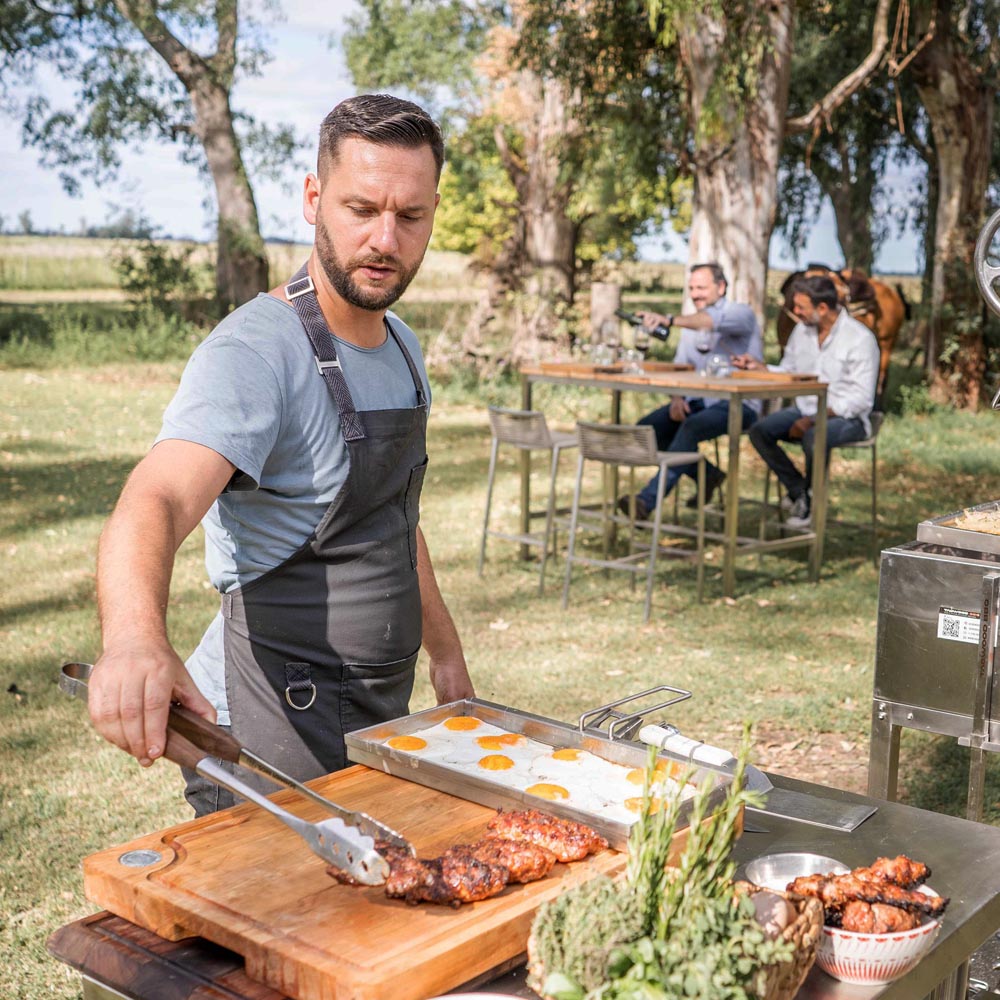
Argentinian charcoal has earned a reputation worldwide for its density, clean burn, and ability to hold steady heat for hours. This makes it perfect for the famous parrilla style of cooking, where beef and lamb are grilled slowly over glowing embers. The parrilla isn’t just a cooking method — it’s a cultural ritual. Families gather around the fire, sharing wine and conversation while the meat cooks patiently. The fire is tended carefully, with embers raked under the grill to maintain consistent heat.

Australians can relate to this communal spirit. Backyard gatherings often stretch into the evening, with mates gathered around, and swapping stories while the food cooks. Adopting parrilla techniques adds authenticity and depth to the Australian barbecue experience. Using only salt for seasoning, cooking with indirect heat, and managing embers instead of flames are hallmarks of the Argentinian approach.
For those who want to elevate their coal barbeque, importing Argentinian charcoal is a worthwhile indulgence. It burns longer and hotter than many local options, making it ideal for large grill charcoal setups or extended brisket cooks. Combining Argentinian tradition with Australian outdoor culture creates a barbecue that is both authentic and uniquely local.
Smoking Woods for Meat and Brisket
Brisket is one of the ultimate tests of a coal barbeque. It demands low heat, steady smoke, and hours of patience. Choosing the good wood for smoking brisket is critical, because the flavor of the smoke defines the character of the meat. Bold options like hickory wood for smoking or ironbark smoking wood provide the strength needed to penetrate the dense cut. Mesquite adds an earthy punch, while fruit woods like cherry wood smoking or peach wood smoke can soften the profile with sweetness.
Preparation is just as important as wood choice. Pitmasters often trim excess fat, season simply with salt and pepper, and maintain consistent heat throughout the cook. Many recommend wrapping brisket in butcher paper midway through the process to lock in moisture while still allowing smoke to infuse. This technique, combined with the right wood, produces brisket that melts in your mouth.

Experimentation is encouraged. Smoking with apple wood blended with hickory creates a balance of mild and bold flavors. Mixing ironbark with cherry adds both strength and sweetness. Each cook becomes an opportunity to refine technique, discover new combinations, and build a reputation for delivering unforgettable brisket.
Practical Guide: How to Use Wood Smoking Chips
Learning how to use wood smoking chips is essential for anyone starting out with a barbecue with coal. Chips are easy to handle and add flavor quickly, making them perfect for beginners. The key is moderation. Too many chips can overwhelm the meat with bitterness, while too few won’t deliver noticeable flavor. A handful every 30–40 minutes keeps the smoke steady without overpowering.
Beginners often soak chips briefly to slow burning, but soaking too long can cause steaming instead of smoking. Placing chips directly over hot coals releases smoke immediately, while foil packets filled with chips can control burn rate and extend smoke time. Advanced cooks often mix chips with larger chunks, combining quick bursts of flavor with longer, sustained smoke.

Equipment and Setup
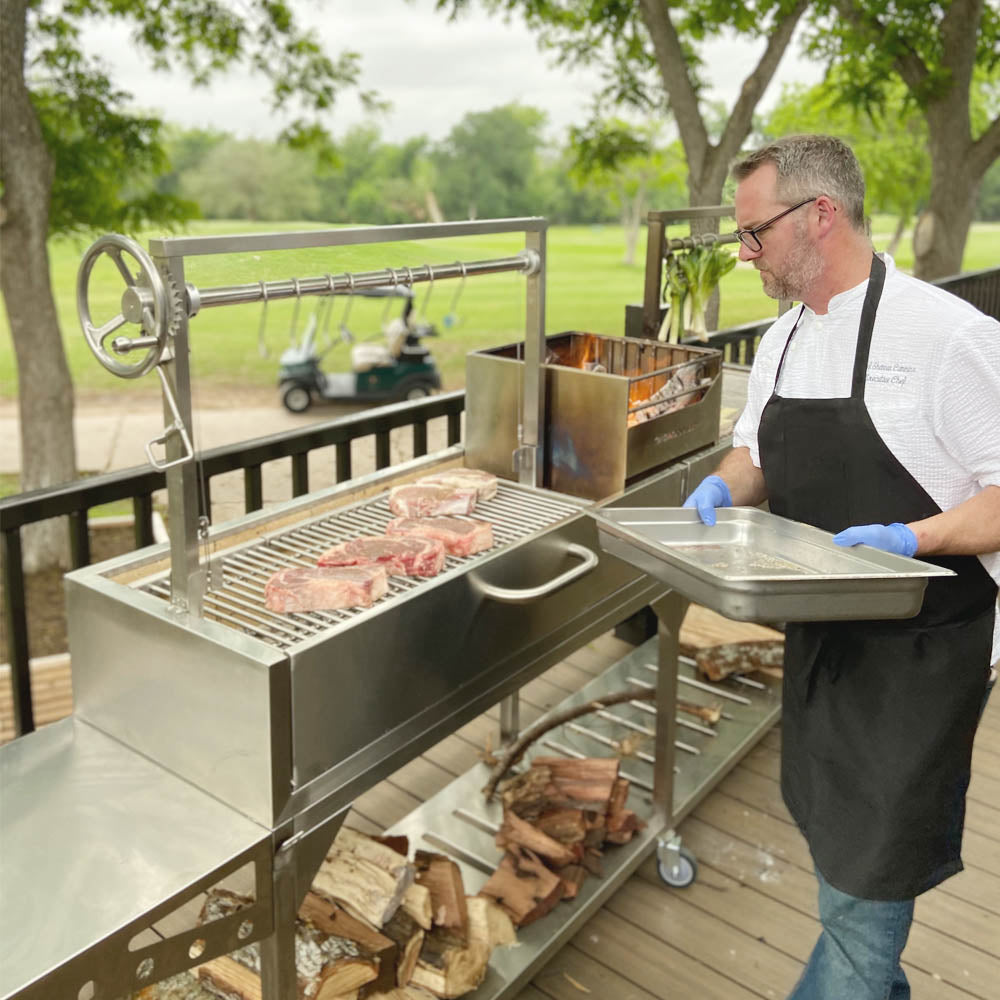
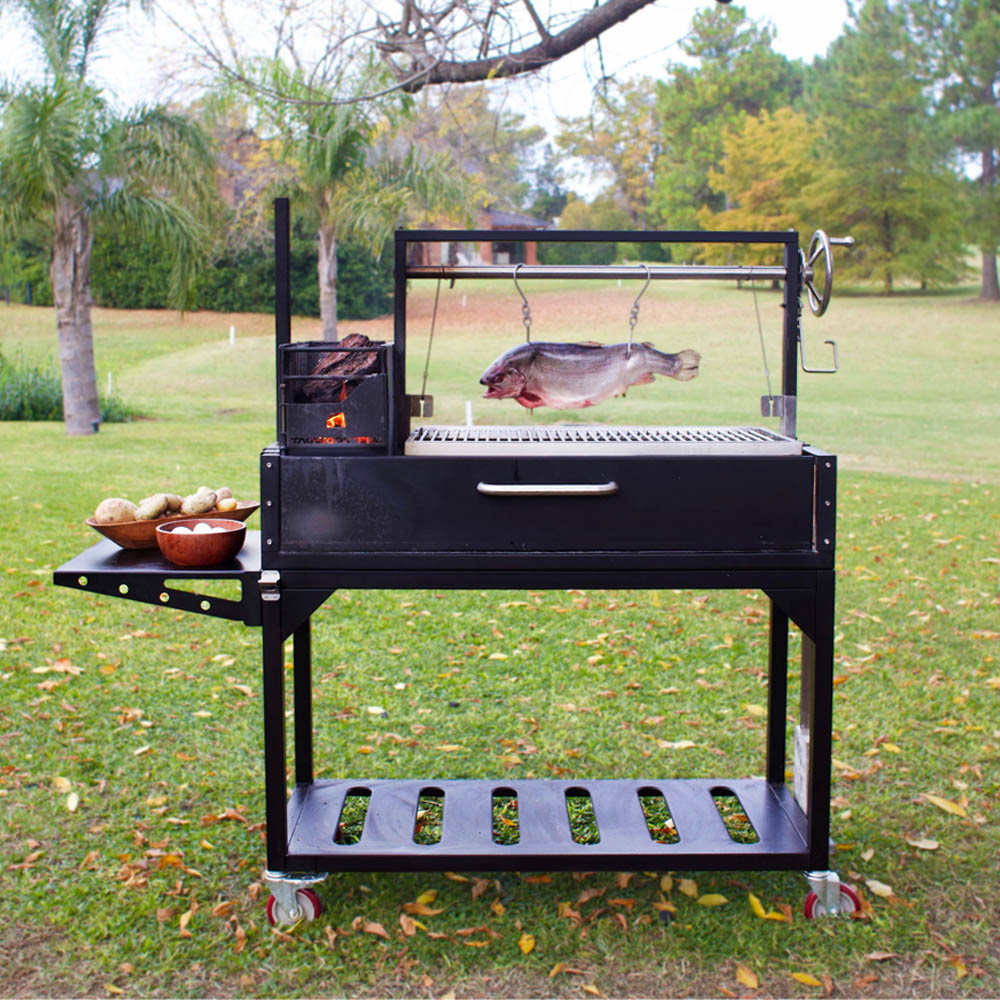
The right equipment transforms a coal barbeque from a simple cook into a professional‑level experience. A charcoal barbecue grill with adjustable vents allows precise control of airflow, while a large grill charcoal setup provides the space needed for entertaining. Outdoor charcoal barbecue rigs are built for durability, often featuring stainless steel finishes that withstand the elements and showcase pride of ownership.
Maintenance is just as important as the gear itself. Cleaning ash regularly ensures proper airflow, while oiling grates prevents rust and sticking. Investing in a cover protects your outdoor charcoal bbq grill from rain and sun, extending its life. Accessories elevate the experience further: chimney starters make lighting cooking charcoal faster, digital thermometers remove guesswork, and heat‑resistant gloves keep hands safe when handling hot coals. These tools aren’t luxuries — they’re essentials for anyone serious about coal barbeque tradition.
The Pitmaster’s Legacy: A Lifelong Journey
Ultimately, mastering the barbecue with coal is about creating a legacy. It is the stories told over the wood fire bbq, the secret rub recipes passed down through the family, and the look on a mate’s face when they bite into a perfectly smoked rib. It represents a deliberate rejection of the "instant" culture, favoring instead the grit, sweat, and grease of the charcoal grill bbq.
Whether you are using a compact bbq stove charcoal unit on a fishing trip up north or presiding over a massive large grill charcoal smoker in your suburban backyard, you are part of a global lineage of fire-keepers. You are learning the language of wood and smoke, a language that requires no translation but plenty of practice. This journey doesn't have a finish line; there is always a better way to stack your cooking charcoal or a new blend of smoking woods to try. That’s the beauty of it—every fire you light is a new chapter in your own personal barbecue history.
 Become the next star pitmaster at your next bbq.
More than Discovering Excellent Favor
A barbecue with coal is a ritual that connects people to tradition, flavor, and community. Coal barbeque demands patience and respect, rewarding cooks with tastes that gas or electric grills simply cannot match. Whether it’s a charcoal barbecue grill in the backyard, a bbq coal grill at the beach, or an outdoor charcoal bbq grill at a family gathering, the essence is the same: fire, smoke, and mateship.
Leave a comment